TL;DR:
Yes, CBD is legal in Texas when it’s derived from hemp and meets strict state and federal requirements. This guide explains how Texas CBD laws work in 2026, what products are allowed, and how upcoming federal changes may impact the market.
- Hemp-derived CBD is legal in Texas if it contains no more than 0.3% Delta-9 THC, as established by House Bill 1325.
- CBD was legalized statewide in 2019 following the federal 2018 Farm Bill, allowing regulated production, sale, and possession.
- All legal CBD products must undergo testing for THC levels, contaminants, and safety compliance.
- Smoking hemp products is prohibited in Texas, even if they meet THC limits.
- New federal laws taking effect in November 2026 may restrict some full-spectrum CBD products, while CBD isolate is expected to remain legal.
Texas may be famous for the Alamo, live music, and Tex-Mex cuisine, but in recent years, it has also become a major market for hemp-derived wellness products. As more consumers ask, “Is CBD legal in Texas?” understanding the state’s evolving regulations is essential before buying or traveling with CBD.
Thanks to federal and state legislation, legal CBD is widely available throughout the Lone Star State, but only when sourced correctly.
Changes to federal law related to hemp products that will take effect in November 2026 complicate the legal status of CBD products to a degree, although it appears that CBD isolate (products containing CBD and no other cannabinoids) will remain legal. And, the legality of full-spectrum CBD products may be addressed in the months between the writing of this blog and when the new federal laws take effect.
CBD vs. THC: Understanding the Legal Difference in Texas
CBD (cannabidiol) and THC (tetrahydrocannabinol) are both naturally occurring compounds found in cannabis and hemp plants, but they affect the body very differently.
CBD is non-psychoactive and does not produce a “high,” as Harvard Health Publishing explains. Instead, it interacts with the body’s endocannabinoid system to support balance, calm, and everyday wellness.
Under Texas CBD laws, hemp-derived CBD products containing no more than 0.3% Delta 9 THC are legal. THC itself remains classified as a controlled substance under the Texas Health and Safety Code, and possession of products exceeding the legal THC limit can still result in criminal penalties.
Changes to federal law set to take effect in late 2026 will affect the CBD market, as the National Law Review explains, but not eliminate it.
The changes in federal law will affect some full-spectrum CBD products (those containing small amounts of other cannabinoids), making them illegal if they exceed the THC threshold of 0.4 milligrams per container of consumer product. However, these laws could be adjusted to provide a carve-out for full-spectrum CBD before the changes take effect.
THC, on the other hand, is psychoactive and binds directly to CB1 receptors in the brain, creating euphoric effects. While public support for broader cannabis reform continues to grow, recreational cannabis remains illegal in Texas as of 2024.
Is CBD Legal in Texas?
So, is CBD legal in Texas today? Yes, but it wasn’t always. Prior to 2018, CBD was illegal under both federal and Texas law. That changed when the 2018 Farm Bill legalized hemp nationwide, removing hemp and hemp-derived cannabinoids from the DEA’s list of controlled substances.
Following federal guidance, Texas passed House Bill 1325 in 2019, officially legalizing the production, manufacture, retail sale, and possession of hemp-derived CBD products containing less than 0.3% THC.
This legislation laid the foundation for today’s regulated CBD marketplace and clarified that CBD itself is not banned. In short, is CBD banned in Texas? No, provided it meets hemp compliance standards.
Texas CBD Laws Explained: What House Bill 1325 Covers
To fully understand CBD laws in Texas, it helps to break down what House Bill 1325 established:
- Hemp is legally defined as cannabis containing 0.3% Delta 9 THC or less by dry weight, removing it from the state’s controlled substances list.
- All hemp-derived products must undergo mandatory testing to confirm THC levels remain within legal limits.
- Products must also be tested for heavy metals, pesticides, microbes, and residual solvents under the Texas Health and Safety Code.
- Hemp products intended for smoking are prohibited for sale, even if they meet THC requirements.
These guidelines ensure consumer safety while allowing Texans legal access to compliant CBD oils, gummies, topicals, tablets, and beverages.

Is CBD Illegal in Texas? Clearing Up Common Confusion
Many consumers still ask, “Is CBD illegal in Texas?” The answer is no, when it’s sourced properly. Hemp-derived CBD is legal, while marijuana-derived products and any CBD exceeding 0.3% THC remain illegal outside of the state’s limited medical cannabis program.
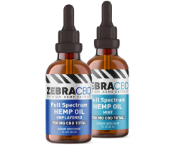
The confusion often stems from outdated laws or mislabeled products, which is why buying from transparent, lab-tested brands like Zebra CBD matters.
How Old Do You Have to Be to Buy CBD in Texas?
If you’re wondering, “How old to buy CBD in Texas?”, there is currently no statewide age restriction written into law. That said, some retailers choose to set their own minimum age requirement—often 18 or 21—based on store policy. Always check with the retailer before purchasing, especially for ingestible products.
Can You Buy CBD in Texas Stores and Online?
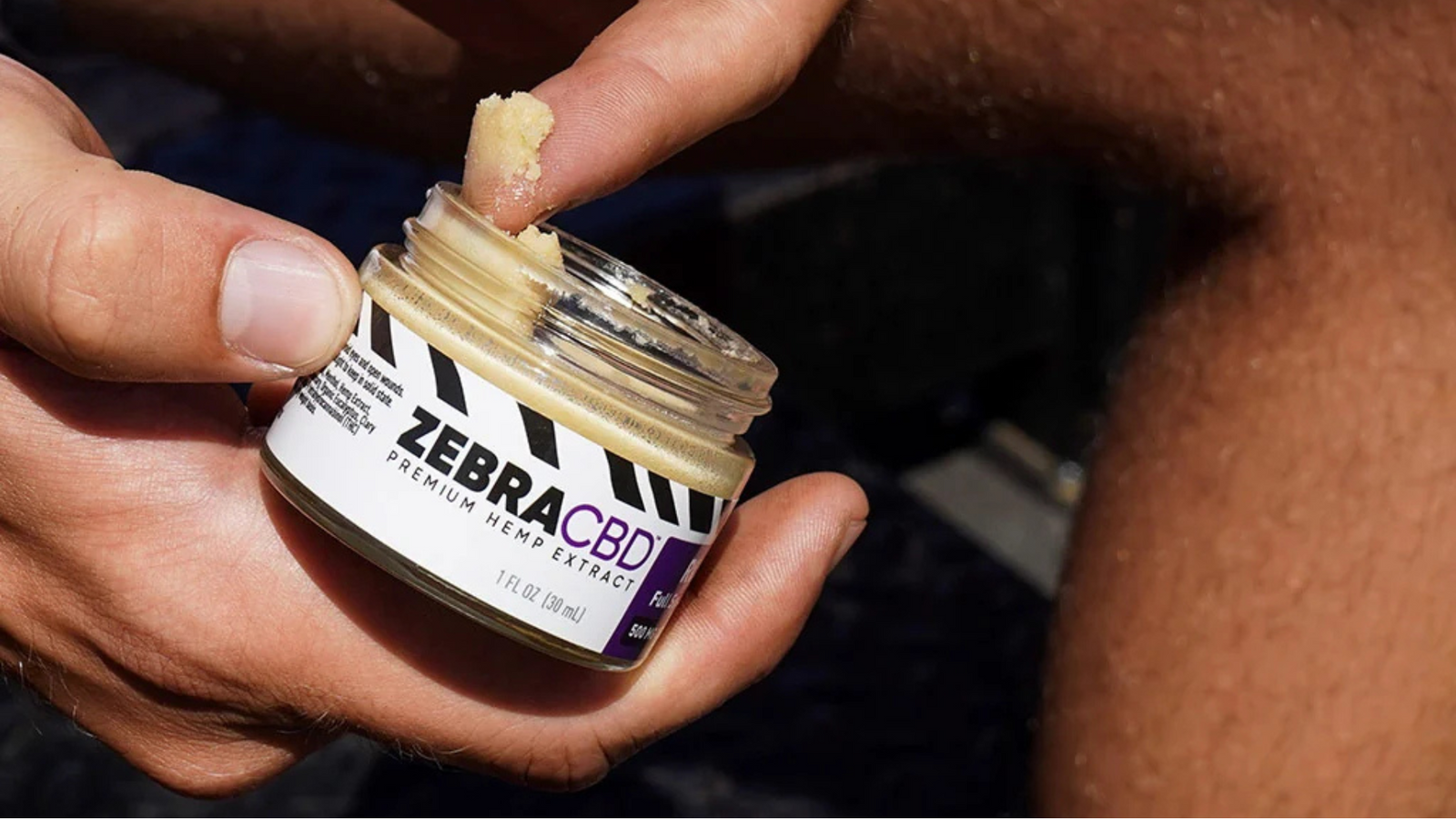
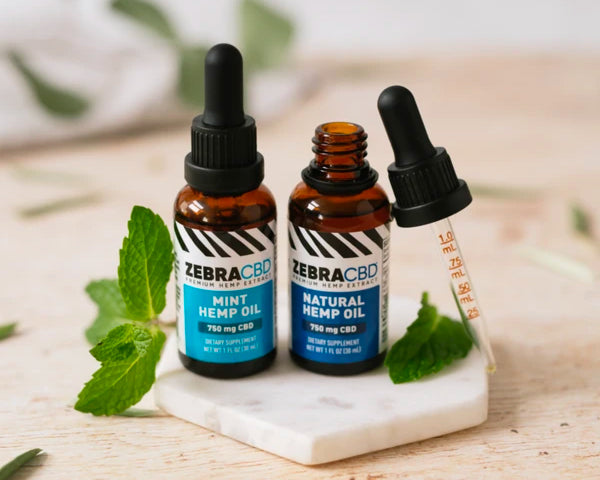
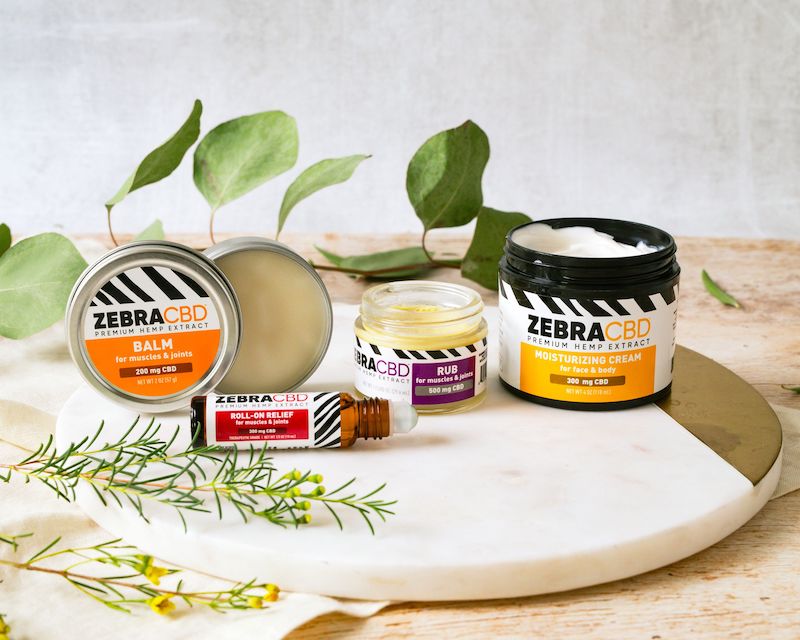
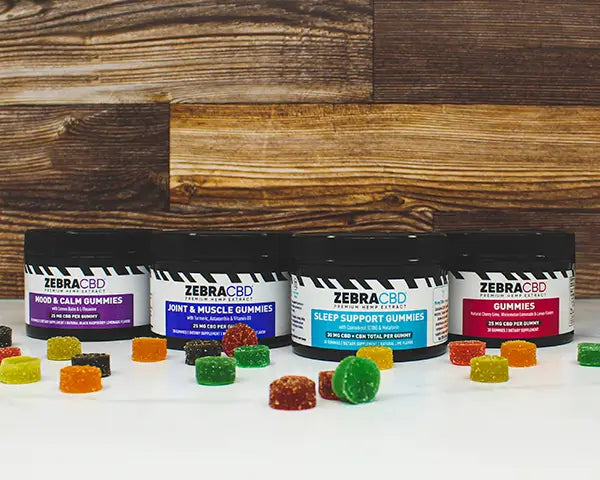
Once CBD products pass Texas testing requirements, they can be legally sold in licensed retail stores and online. Across the state, consumers can find CBD gummies, oils, topicals, beverages, and pet products.
Buying online has become especially popular, offering greater selection, convenience, and access to brand transparency. Reputable online retailers like Zebra CBD provide third-party lab results and a Label Accuracy Guarantee™, so you know exactly what you’re getting.
Can You Buy CBD at a Texas Dispensary?
Licensed dispensaries in Texas carry hemp-derived CBD products as well as low-THC medical cannabis for registered patients under the Texas Compassionate Use Program. Visiting a dispensary allows customers to see products in person and speak with knowledgeable staff before purchasing.
Traveling With CBD in Texas and Beyond
Traveling within Texas with hemp-derived CBD is permitted as long as products contain less than 0.3% THC and are clearly labeled. Thanks to federal law, you can also generally travel across state lines with compliant CBD—but destination laws vary, so research ahead of time.
Flying with CBD is allowed by the TSA when products meet hemp guidelines. Keeping CBD in its original packaging with a Certificate of Analysis is strongly recommended.
International travel requires extra caution, as some countries strictly prohibit CBD regardless of THC content. Always review international regulations before traveling abroad.
FAQs About Texas CBD Laws
Is CBD legal in Texas?
Yes, hemp-derived CBD containing less than 0.3% THC is legal when purchased from licensed retailers.
How old do you have to be to buy CBD in Texas?
There is no official statewide age restriction, though some retailers set their own limits.
Can I sell CBD products in Texas?
Yes, but sellers must obtain a state license and meet ongoing compliance requirements.
Is CBD banned in Texas?
No, compliant hemp-derived CBD is legal statewide. This will remain true for CBD isolate, at least, even after new, more restrictive federal laws take effect in November 2026.
Shop Trusted, Legal CBD in Texas with Zebra CBD
Whether you’re exploring CBD for calm, recovery, sleep, or everyday balance, quality and compliance matter. At Zebra CBD, all of our hemp-derived products are crafted from U.S.-grown hemp, double-tested by independent labs, and fully compliant with Texas regulations.
From our premium CBD oils and CBD gummies to fast-acting topicals, every product is clean, transparent, and backed by our 90-day money-back guarantee.
Legal Disclaimer: This content is for informational purposes only and should not be considered legal advice. Laws and regulations may change. Always consult official state resources or legal professionals for the most current information.