
How to Get Better Deep Sleep with CBD
TL;DR: If you’re looking for how to get better deep sleep, this guide breaks down what affects sleep quality and...
Fast Shipping
90 Day Satisfaction Guarantee
Verified 5-star reviews
Scouting for Zebra CBD information?
Waking up with a tingling or numb wrist has become a familiar frustration for many people, especially those who spend hours typing, gripping tools, or repeating the same hand motions every day. Carpal tunnel syndrome can turn simple tasks like opening a jar or holding a phone into small daily challenges, and finding relief that actually fits into a routine is not always easy.



The best CBD for carpal tunnel is typically a topical formula applied directly to the wrist, since it targets discomfort right where it starts rather than traveling through the whole body first. Many people search for relief options after months of tingling, numbness, or weak grip strength that won't ease up on its own.
Carpal tunnel syndrome develops when the median nerve, which runs through a narrow passage in the wrist, becomes compressed or irritated. Repetitive motion, prolonged typing, and age-related changes in tendons all raise the risk, which is part of why this condition shows up so often in adults over 45.
CBD's potential lies in how it interacts with receptors involved in pain signaling and inflammation near the affected area, a mechanism that applies to other joint conditions too, including what many people consider the best CBD for knee pain after years of wear on the joints. Choosing the right product often starts with understanding what's causing the discomfort in the first place.
Topical CBD is one of the most direct ways to approach CBD for wrist pain, since it stays local instead of moving through the bloodstream. Unlike other forms of CBD, topicals stay local instead of moving through the bloodstream. Understanding what happens beneath the skin explains why this approach appeals to people managing wrist pain:
When a CBD-infused balm or cream is massaged into the wrist, the compound passes through the skin's outer layers and reaches the tissue below. This process, often explained in guides that cover how CBD topicals work, allows the product to settle near the source of discomfort rather than being diluted throughout the body.
Once absorbed, CBD interacts with cannabinoid receptors located in the skin and surrounding tissue. These receptors play a role in regulating pain signals and inflammatory responses. Their concentration near joints and connective tissue is part of why topical application can feel more immediate than oral CBD products.
Because carpal tunnel discomfort is localized, a topical often makes more sense than a product meant for whole-body effects. Applying it directly to the wrist lets the formula concentrate its potential benefits exactly where the median nerve is under pressure, without requiring digestion or delayed onset.
Nerve-related discomfort behaves differently than ordinary muscle soreness, which is why finding the right product matters. Carpal tunnel syndrome specifically involves pressure on the median nerve, so the formula chosen should be suited for that kind of sensation. A few key factors can help narrow down what actually works for this type of pain:
Not every CBD product on the market is created with nerve discomfort in mind. The truth about CBD for pain management, when you dig into what research actually shows, points to potency and consistency as major factors. Choosing a formula with verified CBD content gives a better shot at meaningful relief.
Nerve compression often comes with swelling in the surrounding tissue, which can worsen tingling and numbness. Addressing CBD for inflammation alongside nerve-specific discomfort may offer more complete relief than targeting one symptom alone. This is especially relevant for wrists under repetitive strain.
Tingling, burning, and numbness each respond differently depending on formulation and strength. A higher concentration topical may suit sharper nerve pain, while a milder formula might work for occasional stiffness. Testing potency gradually helps identify what brings the most noticeable improvement.
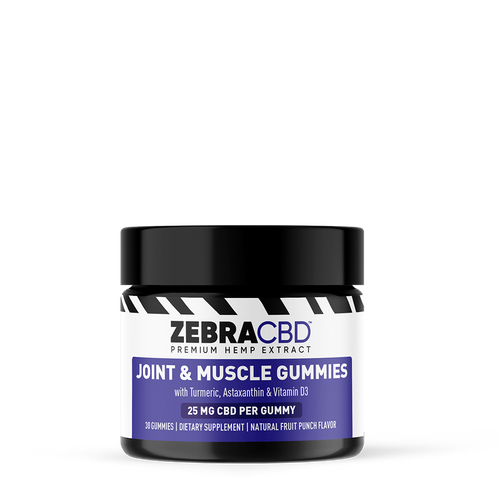
Finding a brand that actually delivers results matters more than flashy packaging or trendy claims. ZebraCBD has built its reputation on formulas that people notice working, not just marketing copy. Here is what sets the brand apart for anyone searching for the best CBD for carpal tunnel relief:
ZebraCBD topicals are made to be felt, not just applied. Customers managing wrist stiffness and joint discomfort consistently report noticeable relief after regular use. The formulas are designed with concentrated CBD levels, so the product does more than sit on the skin without effect.
Every ZebraCBD product goes through third-party lab testing to confirm potency and purity. This verification process removes the guesswork that comes with less transparent brands. For anyone dealing with CBD joint and muscle discomfort, knowing exactly what is in the formula adds confidence to the purchase.
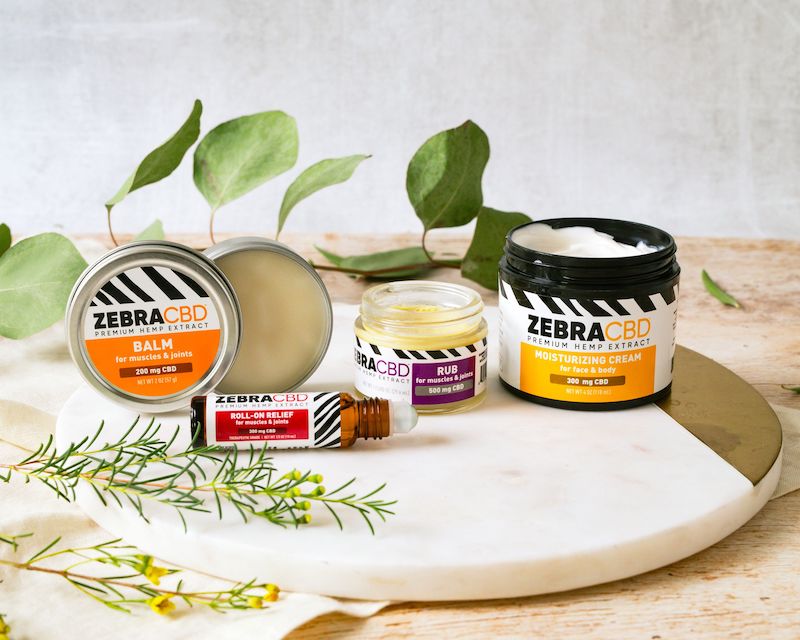
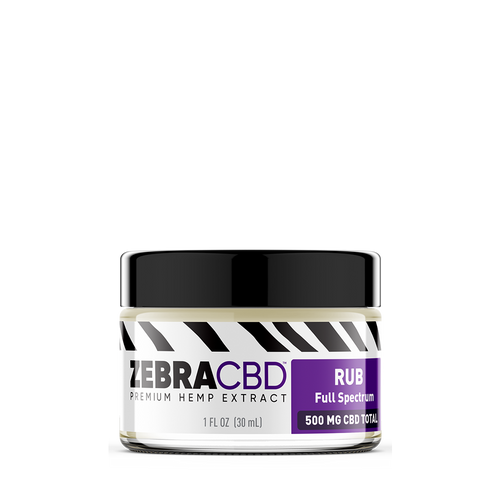
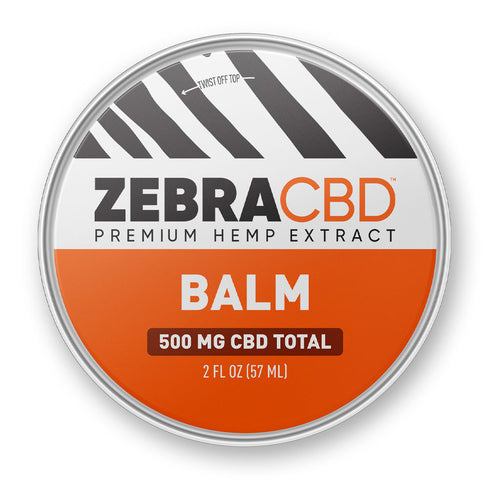
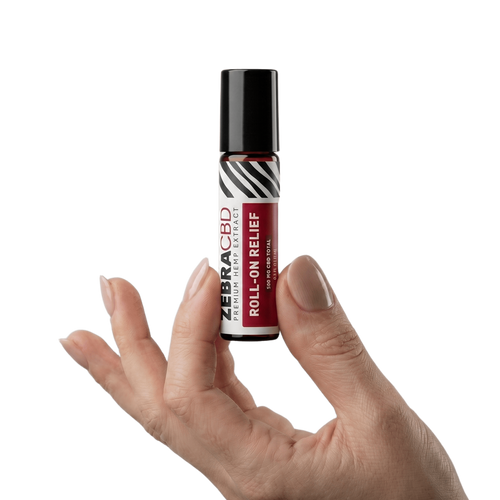
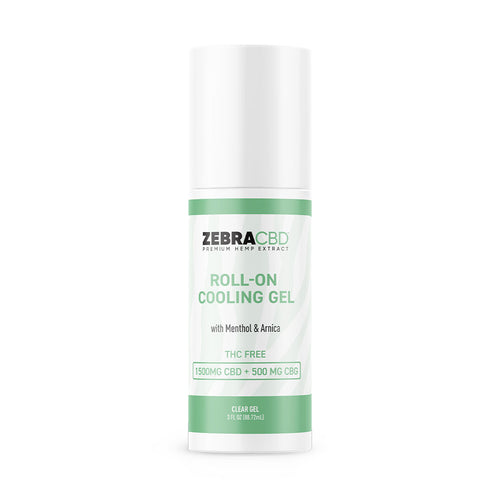
ZebraCBD's topical lineup was created with targeted application in mind, making it suitable for smaller joints like the wrist. The balm and roll on options allow for precise application directly over the affected area, which suits the localized nature of carpal tunnel discomfort well.
Sources:
CBD is not a cure for carpal tunnel syndrome, but it may help ease discomfort as part of a broader management approach.
Topical CBD often provides a noticeable effect within 15 to 45 minutes of application, though results vary by person.
Yes, CBD topicals can typically be applied before or after wearing a wrist brace without any known conflict.
Full spectrum CBD products may contain trace THC, which could theoretically affect drug test results, so isolate or broad spectrum options are safer choices for those concerned.
Most CBD topicals can be reapplied every four to six hours as needed throughout the day.
CBD can interact with certain medications, so it is best to consult a doctor before combining it with other treatments.